
Learning to fly in Phoenix: what nobody puts on the brochure
Phoenix might be the single easiest place in America to become a pilot, and it’s not because of the schools — it’s because of the sky. The weather that makes July miserable on the ground is the same weather that gives student pilots more than three hundred flyable days a year. In Ohio, a student loses a third of their lessons to cloud ceilings and waits out whole gray weeks; momentum dies, and momentum, not money, is the main reason people quit flight training. In Phoenix, your Tuesday lesson happens on Tuesday. That one boring fact is worth more than any shiny fleet.
Where do people actually learn to fly here?
Almost everyone starts at one of four airports, and they have distinctly different personalities. Deer Valley, on the north side, is the busiest general-aviation airport in the United States — on an average day it out-hums most airline hubs. Training there means a constantly talking control tower and a pattern full of traffic, which sounds intimidating and is actually a gift: students who learn radio work at Deer Valley arrive at their checkride sounding like professionals, because they had no choice. Glendale is the opposite — a calmer tower field on the west side where lessons cost you less waiting and the frequency gives you room to think. Chandler, in the southeast, has the metro’s character school: an operation that’s been teaching aerobatics and tailwheel flying for decades, the kind of skills most pilots never get offered. And Falcon Field in Mesa has been training pilots since 1941, when British RAF cadets learned to fly there because the sky over England was busy with other things.
What does it honestly cost?
A private pilot certificate in the Phoenix area realistically lands between thirteen and twenty thousand dollars. You will meet quotes closer to ten; they’re built on the legal minimum of forty flight hours, and almost nobody finishes in forty — sixty to seventy-five is the honest range. The airplane rents wet — fuel included — by the hour, the instructor bills their own hourly rate on top, and the meter only runs when the engine does. A discovery flight, the half-hour trial lesson where you actually take the controls, runs about a hundred to two hundred fifty dollars around the metro, and most schools credit it toward your training if you continue. If the total makes you inhale sharply: career-track students routinely finance training the way people finance a car, and several lenders exist specifically for flight school. Nobody pays it all on day one.
What is flying here actually like?
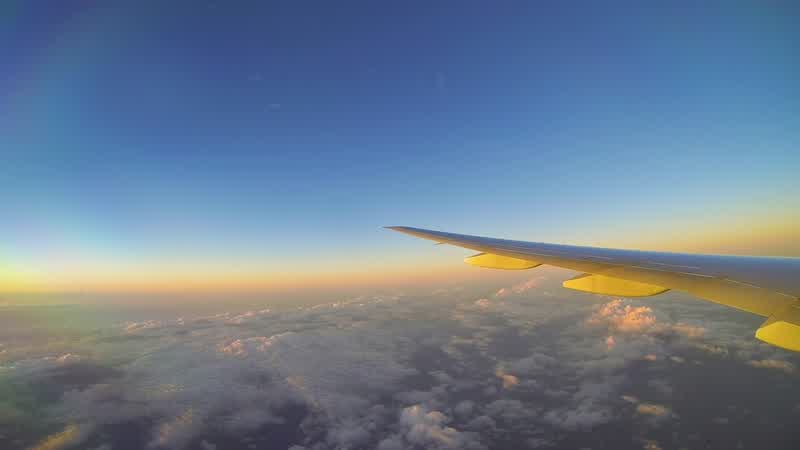
Two things surprise new Phoenix students. First, summer scheduling is a morning sport. Hundred-and-ten-degree afternoons don’t just feel bad — hot air is thin air, and thin air makes airplanes climb like they’re tired. Schools here simply book summer lessons at sunrise, when the desert air is calm and cool and, frankly, when the flying is at its most beautiful. Second, the monsoon: from July into September, afternoons can build dramatic storms that cancel a lesson with an hour’s notice. Schools plan around both rhythms — it’s why the year still ends with more completed lessons than almost anywhere else in the country.
There’s also the matter of the big blue shelf above you. Phoenix Sky Harbor’s controlled airspace sits over the whole valley like an upside-down wedding cake, which means Phoenix students learn real airspace discipline in their first weeks, not as exam trivia. Like the busy Deer Valley radio, it’s the kind of thing that feels like a burden as a student and turns out to be the reason Phoenix-trained pilots travel well.
Which airport should a beginner actually pick?
If you live north or central and want to come out of training genuinely comfortable on the radio, Deer Valley. If you want the cheapest possible path with the least time idling behind other airplanes, Glendale usually wins. If the west side is home, same answer. Chandler makes sense if the southeast is your side of town — or if the idea of eventually flying upside down, properly and legally, appeals to you. And honestly: the right school matters more than the right airport. A school whose instructor fits you, whose airplanes are maintained, and whose phone gets answered will beat a theoretically ideal airport every time.
How do you actually start?
You book a discovery flight. Not ground school, not a medical exam, not a stack of textbooks — those all come later and none of them are the real question. The real question is how you feel in the left seat with the desert falling away beneath you, and thirty minutes answers it for about one-fiftieth the cost of finding out the slow way. If you want, we’ll set it up: we know every school in the valley, we’ll match you to the two or three worth your morning, and we’ll book it — free, at the school’s own published price. That’s the whole reason this page exists.